

The intersection of environmental stewardship and aggressive financial performance has created a new paradigm in the 2026 enterprise landscape, where “Green Cloud Tech” is no longer viewed as a discretionary ESG initiative but as a high-yield strategic asset. We are currently navigating a global economic shift where the skyrocketing energy demands of generative artificial intelligence and hyper-scale data processing have made traditional, carbon-heavy infrastructure a significant liability to corporate balance sheets.
As electricity prices fluctuate and global carbon taxes become increasingly punitive, the most successful firms are those that have successfully pivoted toward sustainable digital ecosystems that prioritize Power Usage Effectiveness (PUE) and carbon-aware workload orchestration. This transition is not merely about altruism; it is a calculated move to capture a “sustainability premium” that manifests in lower operational overhead, enhanced brand equity among eco-conscious investors, and a more resilient supply chain that is decoupled from volatile fossil fuel markets.
By integrating advanced liquid cooling, AI-driven thermal management, and direct-to-chip heat recovery systems, the modern data center is evolving into a circular economy hub that can provide the massive compute power required for modern business while simultaneously reducing the total cost of ownership by up to 40%. The 2026 investment thesis for digital infrastructure is now firmly rooted in the concept of “Inference Efficiency,” where the financial return of every AI-generated output is weighed against the kilowatt-hours consumed, leading to a surge in demand for green-certified colocation and sovereign cloud services.
For the strategic leader, the implementation of these technologies represents a move from reactive compliance to proactive profitability, ensuring that every dollar spent on cloud resources contributes to a leaner, faster, and more environmentally responsible organization. This deep dive into the high-yield corridors of sustainable technology provides a comprehensive roadmap for navigating the green digital frontier, where the ultimate goal is to achieve a perfect synergy between the health of the planet and the health of the corporate bottom line.
The Strategic Foundation Of Sustainable Cloud ROI

Sustainable cloud technology relies on a sophisticated stack of hardware and software designed to minimize waste and maximize the output of every watt consumed. This architectural shift ensures that the digital foundation of your business is both ethically sound and financially optimized.
A. Energy-efficient hardware utilizes the latest ARM-based processors and specialized AI accelerators to provide more compute power with less heat.
B. AI-driven thermal management systems use real-time sensors to adjust cooling patterns, preventing “hot spots” without over-cooling empty racks.
C. Carbon-aware workload shifting moves non-urgent data tasks to different geographic regions based on when renewable energy is most abundant on the grid.
By prioritizing these components, companies can slash their cooling and power bills—which typically account for half of a data center’s operational cost. This direct reduction in overhead is the fastest way to improve the net ROI of your digital estate.
Liquid Cooling And Thermal Innovation
As AI workloads push the physical limits of traditional air cooling, the transition to liquid-based systems has become a mandatory requirement for high-performance centers. These solutions are more efficient at carrying heat away from the chips, allowing for higher density and lower energy waste.
A. Immersion cooling involves submerging servers in specialized non-conductive fluids, which can be 50% more efficient than air-based fans.
B. Direct-to-chip cold plates deliver coolant exactly where the heat is generated, enabling servers to run at peak performance for longer durations.
C. Heat reuse modules capture the thermal byproduct of data processing and redirect it to heat nearby office buildings or industrial greenhouses.
The ability to run denser server racks means you can generate more revenue from the same physical square footage. This “spatial efficiency” is a hidden but powerful driver of real estate ROI in the digital sector.
The Economics Of Renewable Energy Integration
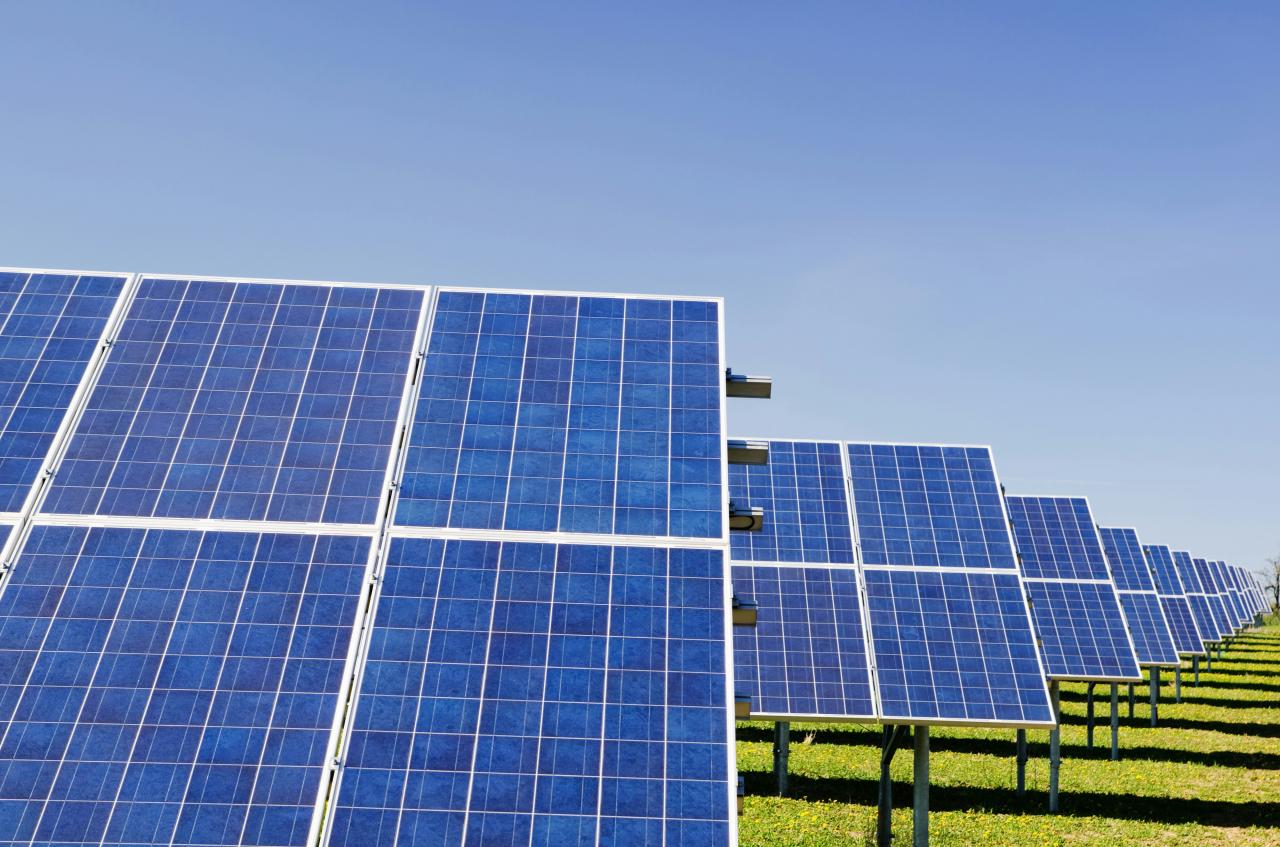
The most resilient cloud platforms are those that have built their own renewable energy on-ramps, shielding themselves and their clients from the price shocks of the traditional power grid. Transitioning to 100% renewable power is now a baseline requirement for premium data service providers.
A. Power Purchase Agreements (PPAs) allow enterprises to lock in low-cost solar and wind energy for periods of ten to twenty years.
B. On-site battery storage systems, powered by long-lasting lithium-ion or zinc-air technology, provide a “green” bridge during times of low grid availability.
C. Microgrids allow a data center to operate as a self-sufficient energy island, protecting mission-critical data from regional power outages.
Decoupling your infrastructure from the fossil fuel grid is the ultimate form of risk management. It turns a volatile utility cost into a stable, predictable, and low-cost operating expense.
Virtualization And Containerization For Resource Density
High-performance data is often wasted by “zombie servers” that sit idle but still consume power. Green cloud strategies use advanced virtualization to pack as many tasks as possible into a single physical machine.
A. Kubernetes-based containerization allows for the rapid deployment and scaling of applications without the overhead of full virtual machines.
B. Serverless computing models ensure that you only pay for the exact milliseconds that your code is running, eliminating idle energy waste.
C. Dynamic resource allocation uses AI to “bin pack” workloads onto the minimum number of servers, allowing others to enter low-power sleep modes.
Increasing the utilization rate of your hardware from 20% to 80% is like quadrupling your investment without buying new equipment. It is the most effective way to squeeze maximum value out of your capital expenditure.
Carbon Footprint Transparency And Compliance
As global regulations like the EU’s Corporate Sustainability Reporting Directive (CSRD) take full effect, the ability to track and report on digital emissions is a legal necessity. Premium green cloud providers offer real-time dashboards that show exactly how much carbon each workload is generating.
A. Scope 3 emission tracking allows firms to report on the carbon footprint of their entire value chain, including their cloud providers.
B. Digital provenance tools verify the green credentials of the energy used, preventing “greenwashing” and ensuring regulatory compliance.
C. Automated ESG reporting saves thousands of hours in manual data collection, allowing the compliance team to focus on high-level strategy.
Being “compliant-by-design” prevents the risk of massive fines and opens the door to green financing and favorable bank loans. It turns a regulatory hurdle into a financial opportunity.
The Role Of AI In Optimizing Green Stacks
It is a great irony of 2026 that AI is both a major consumer of energy and the primary tool we use to save it. AI-native platforms are now used to manage the “energy lifecycle” of the very systems they run on.
A. Predictive maintenance identifies failing cooling units or power supplies before they become inefficient or cause a costly outage.
B. Algorithmic grid balancing helps the data center decide when to sell excess solar energy back to the grid for extra revenue.
C. Neural networks optimize the “airflow dynamics” of the server hall, ensuring that every fan is spinning at the exact speed required for safety.
Using AI to manage green tech ensures that the system is always running at its “theoretical limit” of efficiency. It removes human error and ensures that ROI is maximized 24/7.
Circular Economy And E Waste Management
The lifecycle of a high-performance chip is short, and managing the retirement of this hardware is a critical part of a green strategy. Circular economy practices ensure that rare earth metals and components are recycled back into the supply chain.
A. Certified hardware decommissioning guarantees that data is wiped securely while valuable materials are recovered for reuse.
B. Refurbished server programs allow for the second life of hardware in less intensive environments like testing and development.
C. Modular design allows for the “hot swapping” of specific components rather than the replacement of an entire server rack.
A responsible end-of-life strategy reduces the total cost of ownership by recouping value from old assets. It also protects the brand from the reputational damage of being linked to global e-waste dumping.
Edge Computing For Latency And Energy Savings
Moving the compute power closer to the end-user—a concept known as Edge Computing—reduces the amount of data that must travel across the global internet. This saves massive amounts of “transit energy” and provides a better user experience.
A. Localized micro-data centers process IoT data on the spot, sending only the summarized results back to the central hub.
B. Content Delivery Networks (CDNs) use green-powered edge nodes to serve video and media content with minimal latency.
C. 5G and 6G integration allows for hyper-fast wireless links that consume less power per gigabyte than older mobile standards.
Edge computing is the “last mile” of green cloud efficiency. It ensures that the speed of the user experience is matched by the sustainability of the infrastructure.
Multi Cloud Choreography For Green Optimization
Most firms now use multiple cloud providers to avoid vendor lock-in and increase resilience. “Green Choreography” is the practice of shifting workloads between these providers based on which one is currently the most energy-efficient.
A. Multi-cloud management platforms provide a single “pane of glass” view of energy usage across Azure, AWS, Google, and private clouds.
B. Arbiter agents can move a non-critical simulation task to a region with excess wind power at 3:00 AM to save on carbon and cost.
C. Inter-cloud connectivity ensures that data can be moved securely and quickly between different green ecosystems.
This level of flexibility gives the enterprise the power to “shop” for the greenest energy in real-time. it is the ultimate expression of the modern, fluid, and sustainable digital business.
Building An Eco Friendly Digital Culture
The final pillar of green cloud success is the human element—training developers to write “green code” that requires fewer computational cycles. A culture of digital sustainability ensures that every employee is an active participant in maximizing ROI.
A. Green coding workshops teach developers how to optimize algorithms for energy efficiency rather than just raw speed.
B. Internal “carbon budgets” give departments a tangible goal for reducing their digital footprint throughout the fiscal year.
C. Executive incentives are increasingly tied to sustainability targets, ensuring that green tech remains a top-tier priority.
When the entire organization is aligned on the value of green tech, the financial and environmental results follow naturally. It is a win-win scenario that defines the successful enterprise of the 2020s.
Conclusion

Sustainable technology is the primary driver of digital ROI in the modern world. Green cloud solutions provide a direct path to lowering massive operational expenses. PUE is no longer a niche metric but a core indicator of financial performance. Renewable energy integration shields the enterprise from volatile utility markets. Liquid cooling enables the high-density computing required for the AI era.
Carbon-aware orchestration turns the global grid into a programmable asset. Resource density is improved through advanced virtualization and AI tuning. Transparency and reporting are the keys to maintaining global market access. Circular economy practices ensure that the value of hardware is fully realized. The edge provides a low-latency and low-energy way to serve global users. Multi-cloud flexibility allows for the real-time pursuit of the greenest power. Success in 2026 belongs to those who build on a foundation of green efficiency.

